
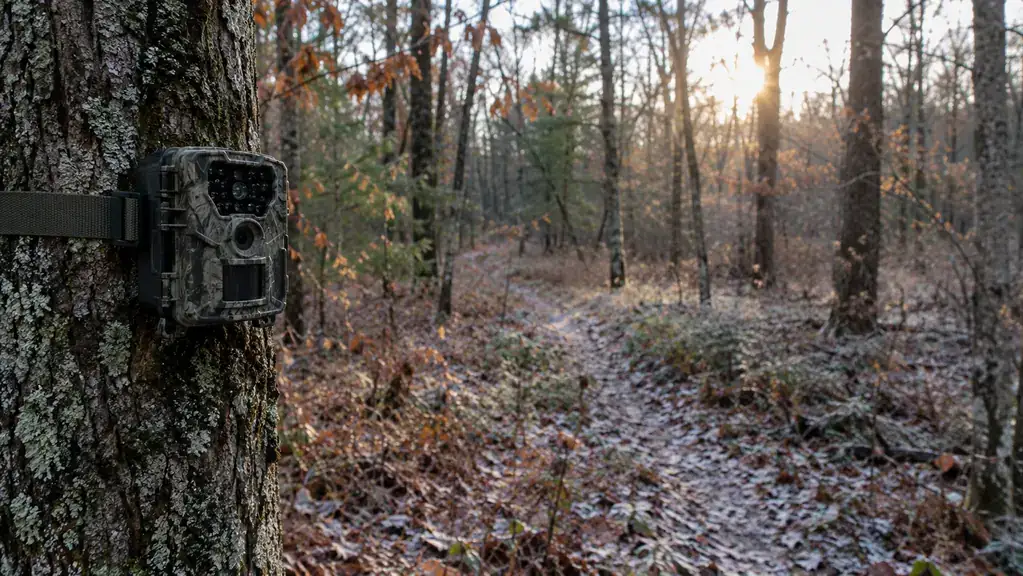
I hung a pair of WOSODA trail cameras in late August on the 80 acres I hunt near Brainerd, and they stayed up through the whole deer season. Two cameras, one on the food plot and one on the scrape line along the creek, and a season's worth of photos that changed where I set my ladder stand. If you are trying to pattern whitetails without walking through the woods every other day, here are ten reasons a WOSODA trail camera makes it easier.
The cameras went up on August 28, and I pulled the first card on September 7. I checked cards about once a week after that, usually on my way out after a morning of grouse hunting, and every pull taught me something about how the deer used that ground. By the time the snow flew I had a full picture of the property, and most of it came from two cameras I barely touched.
Two cameras, one season, zero surprises
The WOSODA 2-pack covers a food plot and a scrape line at once, so you learn the pattern before you ever climb a tree.
Amazon Check Today's Price on Amazon →It shows you the deer that are actually there
Before I took cameras seriously, I hunted off guesswork and old rubs. The first card pull gave me 214 photos, and I sat in my F-150 scrolling through them. Three of those photos showed a buck with a drop tine that I had never seen from the stand in five years of hunting that ground. He was moving through the food plot at 2:14 in the morning. You cannot pattern what you cannot see.
It tells you when they move
Every photo has a time stamp, and the stamps built a pattern fast. Through September, the scrape line got hit between 11:15 at night and 2:00 in the morning, almost like clockwork. The food plot saw action right at dusk, usually within twenty minutes of last light. After the first hard frost in mid-October, the whole pattern shifted earlier by about an hour, and I shifted my stand time to match. That hour told me the cold snap had pushed them to move earlier, and it was the difference between seeing deer and watching an empty clearing.
It keeps your scent out of the woods
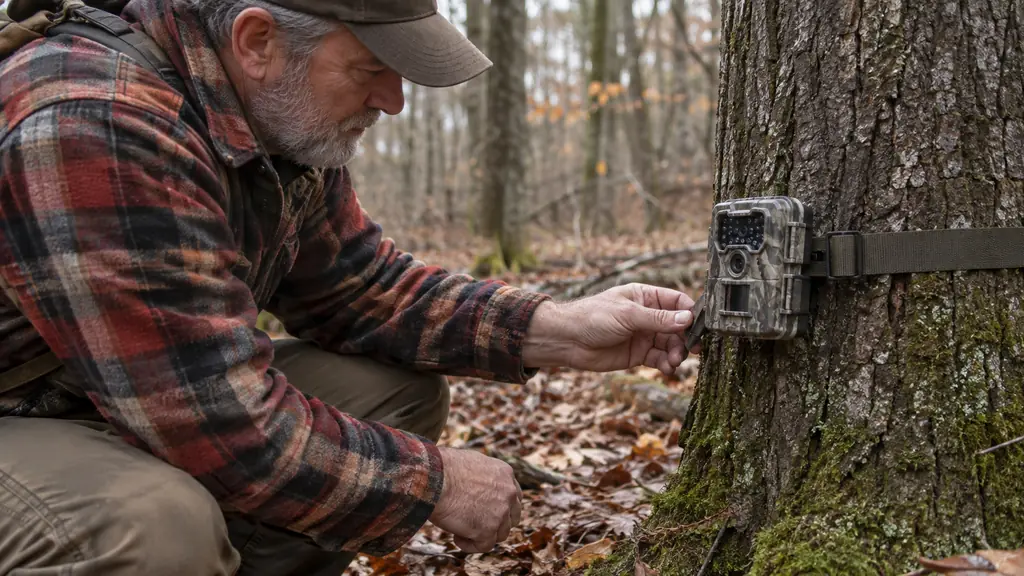
The whole point of a trail camera is that you check it once and leave. I walked in to swap cards maybe once a week, usually around midday when the deer were bedded, and the rest of the time my scent stayed out of the bedding area. That is worth more than any call or cover scent I have ever bought. One morning in late October I found a fresh rub line right where I had been walking in to check the camera the week before. The deer had been using that trail all along; I just had not been there to see it.
It runs all season on a set of lithium AAs
I put lithium AAs in both cameras on August 28 and never changed them once. Both cameras were still clicking on the last card pull in early January. I have had other cameras eat a set of alkalines in three weeks of cold weather, so a full season on one set is the kind of reliability that matters when the camera is a half mile from the truck and the ground is frozen solid.
It catches the buck you never see from the stand
The biggest buck I got photos of all season never showed himself in daylight. He walked the scrape line at 1:40 in the morning on November 9, and I would have hunted that ridge all November without ever knowing he existed. He showed up again on November 12, this time in daylight, but he was 300 yards away on the neighbor's side. I stayed off that ridge, and knowing he was there kept me from pressuring it and ruining the hunting for the younger bucks. The camera did the watching so I did not have to.
It helps you pick the stand site instead of guessing
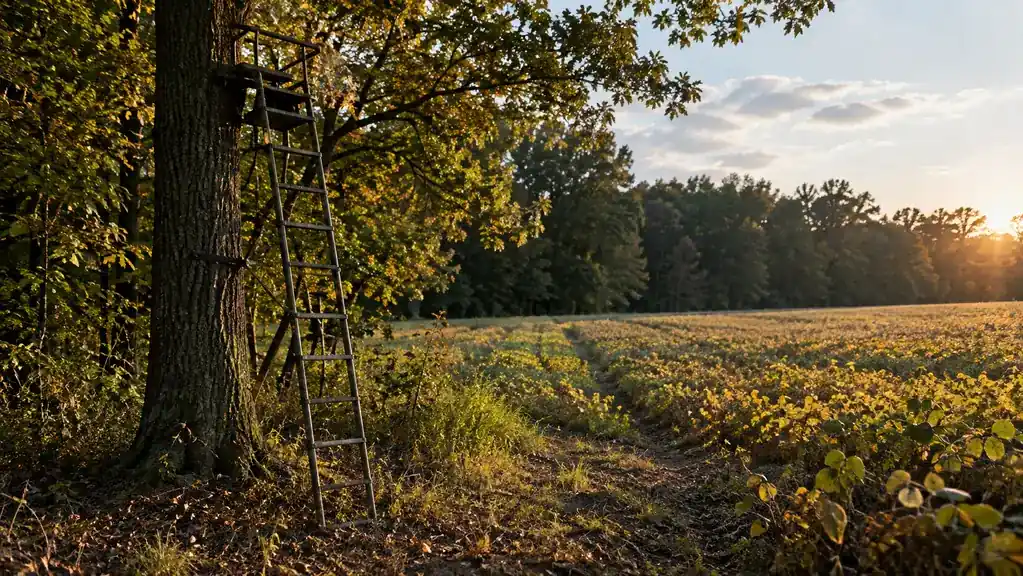
The photos showed me that the deer were entering the food plot from the southeast corner, where the old logging road comes through the cedars. I had planned to hang the stand on the north edge, a good 60 yards from where they actually came in. I moved the ladder stand 40 yards south and set it 22 yards off the corner. Opening morning of archery season I had a doe and a small buck inside bow range before 8 o'clock. That is the difference between scouting and hoping.
It works in the rain and the cold
These cameras sat through a September that dumped six inches of rain, a November snowstorm that laid down a foot and a half, and a stretch of early December nights that never got above zero. The housings stayed sealed and the photos kept coming. I have had cheaper cameras fog up on the inside or just stop clicking in weather like that, usually right when the deer started moving. That is when you need the camera the most.
It gives you a record of the whole season
By the end of the season I had a card for every week from late August to early January. I could watch the bucks shift from the food plot in September to the scrape line during the rut in November, then back to the food plot once the snow piled up. I keep the cards in a labeled case, one pocket for each month, so next August I can pull the same card and remember exactly what that week looked like. That is the kind of information you can use next year, not just this one.
It is simple enough that you will actually use it
No app, no cellular plan, no subscription. You put in batteries, set the date, strap it to a tree, and check the SD card when you are in the area. The date and time set in about thirty seconds, and the menu is simple enough that I did not need the manual after the first camera. I am a retired lineman, not a tech guy, and I had both cameras running in ten minutes. I have never owned a cellular camera, and honestly I do not miss the idea of one. A card pull once a week is plenty for a property this size.
It costs less than a tank of gas to the hunting property
A 2-pack of WOSODA cameras costs less than what I spend on fuel for three round trips to the 80 acres, and it works all season long. Compared to the hours I used to burn sitting over a trail that had gone cold, it is the cheapest scouting tool I own. You get the information, you keep your scent out of the woods, and you save fuel on top of it.
What I'd Skip
I would skip the included strap. It is thin, and I replaced it with a cable lock on both cameras after the first week. I would also skip expecting the 48MP number to mean what it sounds like. The daytime photos are sharp, but the night photos are fine for scouting, not for framing. And if a deer is moving fast, the trigger sometimes catches only the back half of it. I missed the front half of a nice buck on November 16 because he was trotting the scrape line instead of walking. None of that stopped me from using the cameras all season, but it is worth knowing before you buy.
Two cameras, one season, and I knew more about that 80 acres than I had learned in the previous five years of walking it.
Know the pattern before you climb the tree
The WOSODA 2-pack is still the first thing I recommend to a hunter who wants to scout smarter.
Amazon Check Today's Price on Amazon →