
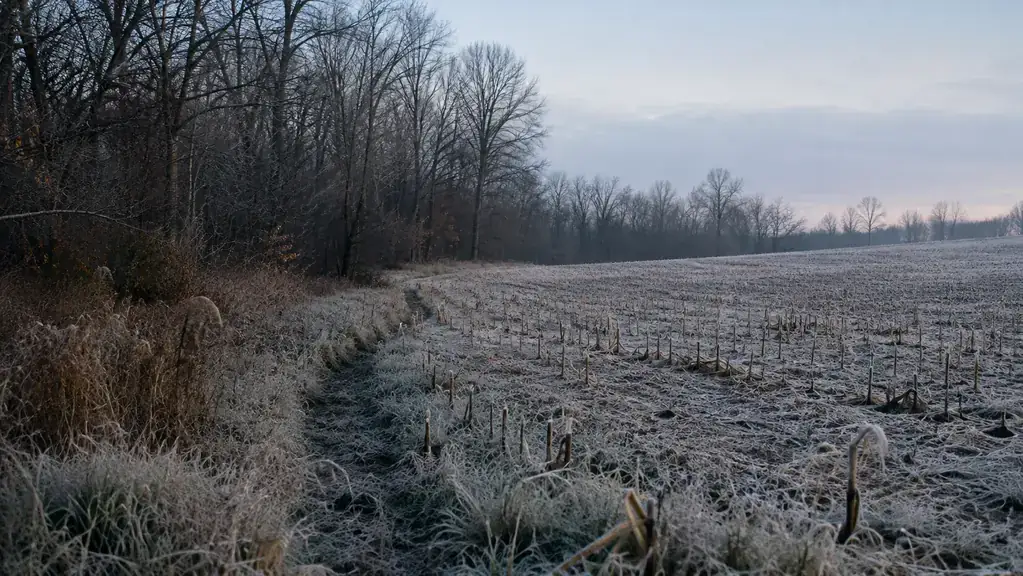
Last September I had a buck on my friend's 80 acres that I never saw. I knew he was there. I found his rubs along the north fenceline and his tracks in the mud at the corner of the food plot. But in forty years of deer hunting I have learned that tracks and rubs only tell you where a deer has been, not where he is going. So I retired my old cheap cameras and did it right. I hung a pair of WOSODA trail cameras, one on the scrape line and one on the trail leading into the food plot.
I hung them the last week of August. The WOSODA cameras came as a two-pack, which mattered because I wanted two locations without buying two separate units. I loaded each one with lithium AA batteries, and here is the part that surprised me: both cameras ran the whole season on that first set. The included strap is thin, so I added a cable lock on each one. That took about ten minutes and saved me from losing a camera to a curious raccoon or a careless hunter.
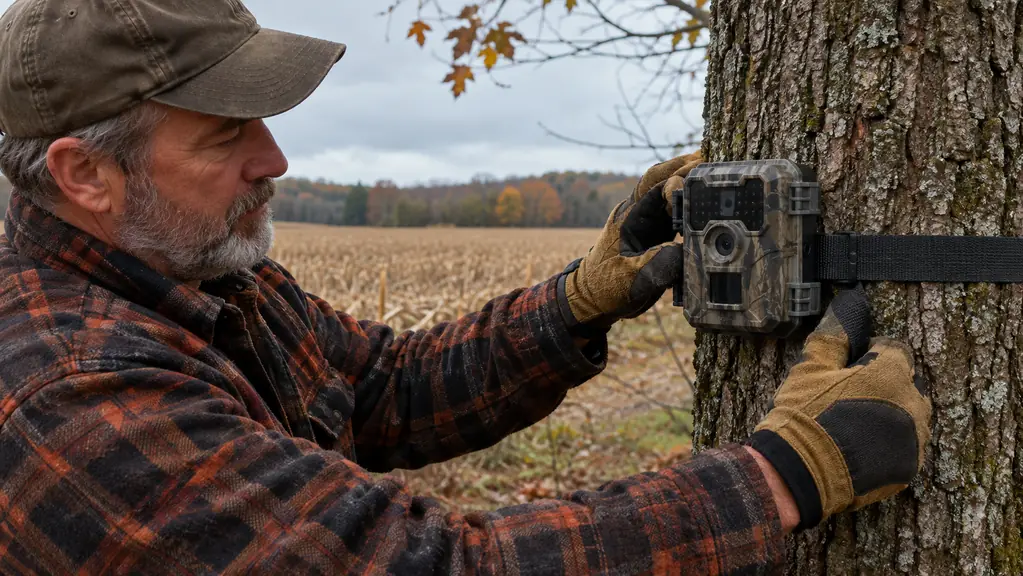
The pictures were exactly what I needed. Daytime shots were sharp, clear enough to count points. Night shots were grainier, but for scouting they were plenty. I could tell when a deer passed, which direction it was going, and roughly how big it was. The trigger was not perfect. A deer moving fast sometimes got only its back half in the frame. But deer do not move fast when they think no one is around, and most of my photos were full deer.
The first week, the camera on the scrape line caught him at 2:14 in the morning. A heavy buck with a busted left brow tine, moving straight down the fenceline like he owned it. I checked the SD card on a Tuesday, and I sat in my truck for a while looking at that photo. I had never seen this deer in person. The camera had shown me something I could not see from the stand.
I checked that camera every three or four days after that. Some cards came back with forty pictures of the same doe. Others came back with nothing. But a handful of photos showed him, and every one was taken between 1:30 and 3:00 in the morning. That pattern is what changed my season.
That buck crossed the scrape line at 2:14 in the morning on September 3. I had hunted that ground for five seasons and never once laid eyes on him.
See what is moving in your woods tonight
A two-pack of WOSODA cameras covers two trails or two scrapes for one full season. Lithium AAs lasted me from late August into early January, and checking the SD cards takes two minutes.
Amazon Check Today's Price on Amazon →I moved my ladder stand that weekend. Not because the photo showed me exactly where he would walk, because it did not. It showed me when he walked, and that was more useful. He was moving that scrape line between 2:00 and 3:00 in the morning. That told me he felt safe there at night, which meant he was probably bedding on the ridge above it. So I moved the stand to the edge of the ridge, where I could watch the bedding area and the scrape line both.
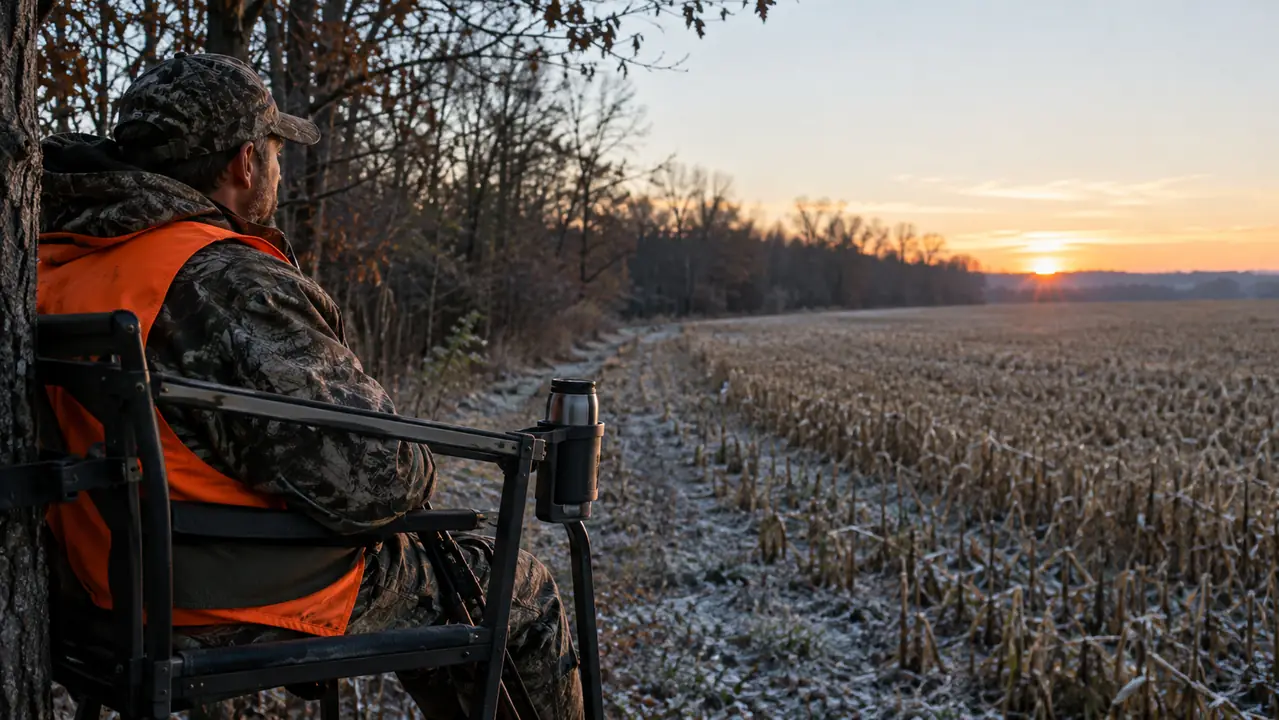
I sat that stand through the rest of archery season and saw small bucks, does, and a lot of raccoons. I never saw the big one. The cameras kept working the whole time. I checked them every few days, and he kept showing up, always at night, always on the same line. It got to be a running joke with Karen. She would ask if I had seen him yet, and I would say only on the camera.
Then came the second Saturday of November. A cold front pushed through the night before, wind out of the northwest, and I was in the stand before first light. At 7:40 he crossed the same scrape line, this time in daylight. The camera had taught me his line well enough that I was already looking at the spot when he stepped into it. The shot was 32 yards, and it was over fast. I sat down and shook for a while, mostly from the surprise of finally seeing him with my own eyes.
That deer is in the freezer now, and I will eat well this winter. But the part I keep coming back to is not the deer. It is the two months when he was moving through my hunting ground every single night and I would have had no idea. The WOSODA cameras did not make me a better shot. They made me a better scout, and for a bowhunter on a friend's 80 acres, that is the whole game.
What I'd Tell You If We Were Sitting at My Kitchen Table
If you are still scouting mostly with your eyes and your boots, or with a camera that misses half of what walks by, you are working too hard. A trail camera does not replace knowing your ground. It replaces guessing. You hang it where you think deer are moving, you check it on your schedule, and it tells you what you would otherwise never see. The WOSODA two-pack is not a fancy setup. There is no cellular service, no phone alerts. You check the SD cards yourself. That is exactly why it worked for me. It is simple, it ran all season on one set of lithium batteries, and it showed me a buck I would not have believed was there. If you hunt the same ground every year, give yourself that second set of eyes for one season. You might find out that the deer you have been hunting is not the deer you think you are hunting.
Give yourself eyes on two trails this season
A two-pack of WOSODA cameras covers twice the ground for the same money. No cellular plan, no subscription, just SD cards and lithium AAs.
Amazon Check Today's Price on Amazon →