
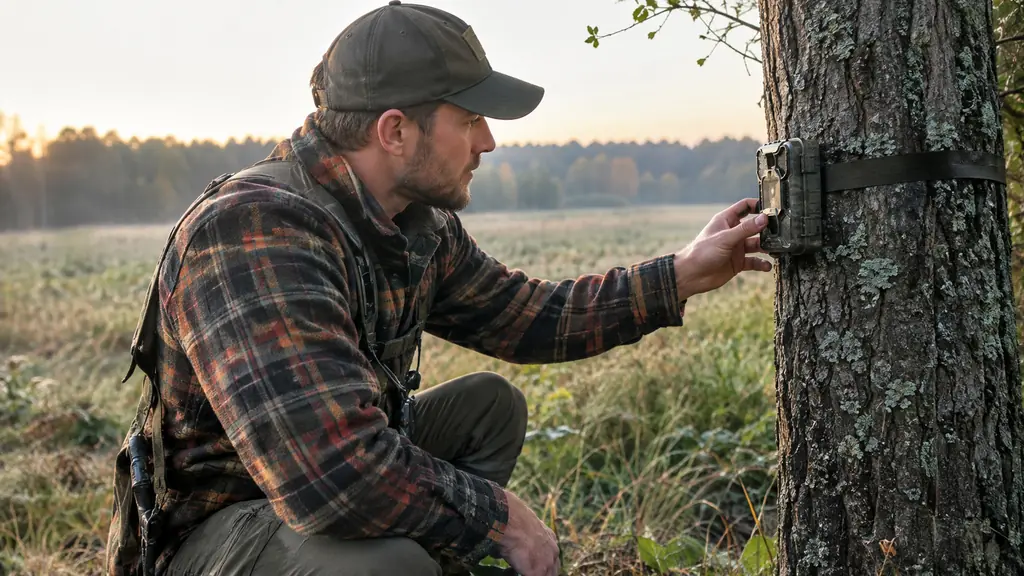
If you are trying to decide between a WOSODA trail camera and a cellular trail camera, the real question is not which one takes better photos. It is how much work you want to do and how much you want to pay every month. I hung a pair of WOSODA cameras in the last week of August and ran them through a full deer season here in Minnesota, and I have watched neighbors run cellular cameras on the same 80 acres. Both approaches work. They just fit different hunters.
Here is the short answer: if you can walk to your camera spots every week or two and you do not want another monthly bill, the WOSODA 2-pack is the better buy. If you hunt ground that is a long drive from home and you need to know what is moving without burning a tank of gas, a cellular camera earns its plan. I have never owned a cellular camera, so I am not going to pretend I have. But I have watched enough of them run to tell you exactly where each one shines.
| WOSODA 2-Pack | Cellular Trail Camera | |
|---|---|---|
| Price | One cost for two cameras, no monthly fee | Higher upfront cost plus a data plan every month |
| Battery life | Lasted the whole season on lithium AAs | Shorter battery life because it transmits photos |
| Photo delivery | You pull the SD card and look at photos on a laptop | Photos arrive on your phone within a minute |
| Coverage | Works anywhere you can hang it | Needs a cell signal at the camera location |
| Photo file size | Full image on the SD card, no compression | Compressed for the network, original costs data to download |
| Setup | Set the time, pick a mode, strap it to a tree | Same setup plus a data plan and a signal check |
| Monthly cost | Zero, forever | A plan you pay every month |
| Dead zone | Still takes photos and stores them | Sends nothing until it has a signal |
| Learning curve | Point, set the date, hang it | Same plus a phone app and a data plan |
| Photo storage | On the SD card, yours to keep | In the cloud, tied to a subscription |
| Best for | Hunters who can check cameras on foot or by truck | Hunters who live far from their ground or travel for hunts |
Where WOSODA Wins
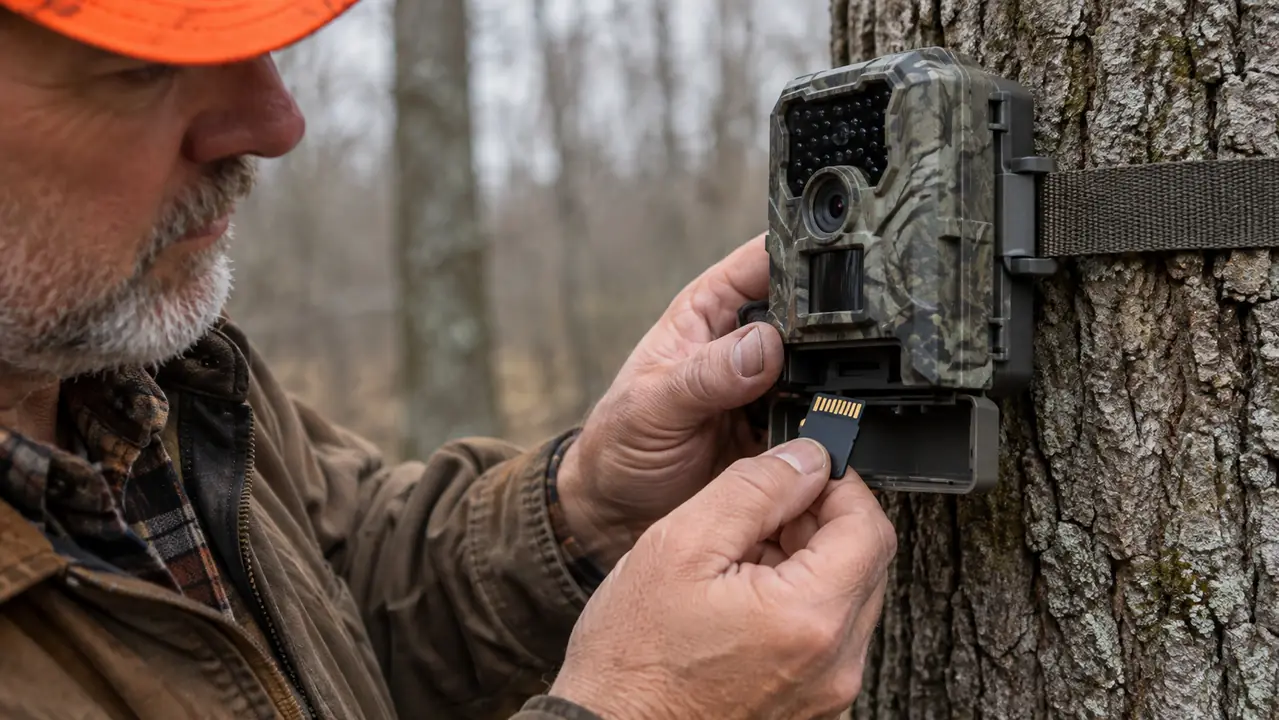
The biggest win for the WOSODA cameras is the cost. You get two cameras for about what one cellular camera costs, and there is no data plan attached to either one. I ran both cameras from the last week of August through the end of the November firearms season on one set of lithium AAs. A cellular camera doing the same job would have been pulling power to send every photo, and it would have needed fresh batteries or a solar panel long before I did. I checked the cards every nine or ten days, usually on a Sunday afternoon when the wind was light and I could move through the timber without pushing deer out of the area. The cameras never once went dead on me. The last card pull was after the season closed, in early January, and the cameras were still showing a full battery indicator. That kind of reliability matters more to me than any feature list, because a camera that needs attention every week stops being a scouting tool and starts being a chore. They sat through rain, snow, and a stretch of single-digit nights in November without missing a beat. By the end of the season I had more than two thousand photos on those cards, and most of them were worth looking at. That is the kind of return I want from a trail camera.
The second win is simplicity. I hung the WOSODA cameras on a friend's 80 acres, one on a scrape line and one on a trail between a food plot and a bedding area. The scrape line camera faced north along a ditch bank where I had seen rubs the year before. The trail camera sat about 40 yards off the food plot, angled down a worn path that the deer used coming out of the timber. When I wanted to know what was moving, I walked in, swapped the SD card, and looked at the photos on my laptop that night. No app to set up, no signal to check, no plan to cancel when the season ended. For a retired guy who hunts the same ground every year, that is worth a lot. I also like that the cameras are non-cellular, which means no one else can see where they are or what they are recording. A cellular camera has to send photos over the network, and that connection is another thing that can fail at the wrong moment. With the WOSODA pair, the only thing between me and the photos is a short walk and a card reader. Daytime photos are sharp, with enough detail to count points on a buck at 30 yards. Night photos are fine for scouting but grainy; I can tell a buck from a doe and see which direction it is heading, but I would not try to read a brow tine off a night shot. The 48MP number on the box is an interpolated output size. The real detail is less than that number suggests, so set your expectations accordingly. The included strap is thin. I trusted it for the first week and found the trail camera tilted after a windy stretch, so I added a cable lock to both cameras before the season really got going. The trigger also has a quirk: on a deer moving fast, it sometimes catches only the back half of the animal. You learn to read the sequence of photos instead of expecting one perfect frame.
Where Cellular Cameras Win
I will give the cellular cameras this: they deliver. A neighbor runs one on a piece of ground about 45 minutes from his house, and he gets a photo on his phone within a minute of a deer walking past. He can decide whether to make the drive without guessing. When you are trying to pattern a buck that only shows up in daylight every few days, that instant information changes how you hunt. He has killed deer he would never have seen if he had waited a week to pull a card. I watched him do it two seasons ago. A big 8-pointer started hitting a scrape line around 9 in the morning, and the camera sent him a photo at 9:04. He was in his stand by 2 that afternoon and killed that deer the next morning. You cannot get that kind of timing from an SD card, and I am not going to pretend otherwise. One more thing in their favor: if you are hunting a new piece of ground, a cellular camera lets you learn the place fast. You can move it after a week of photos without driving out there blind. I have seen guys figure out a travel corridor in ten days that would have taken me a month of Sunday walks. That is a real advantage when the season is short.
Cellular cameras also win on the days you cannot get to your ground. Weather, a long stretch of wind that keeps deer bedded down, all of that is easier when the camera is doing the reporting for you. The tradeoff is the monthly plan and the battery drain. You are paying for the convenience, and on a cellular camera you are also paying for the power it takes to send every photo. A camera that transmits every trigger uses more juice than one that just writes a file to a card, so most cellular setups end up with a solar panel or a bigger battery pack. The data plan is another ongoing cost that never goes away, even in the months when nothing is moving. If you leave a cellular camera on the same ground year-round, you are paying for twelve months of service to use maybe four months of photos. That is a real consideration for a retired guy on a fixed budget. I also notice that the photos arriving on a phone are compressed for the network. They look fine on a small screen, but when you zoom in to count points or check a buck's body condition, you are not looking at the full file. You can usually download the original, but that takes time and data. The WOSODA camera puts the full image on the SD card, and I can zoom all the way in on my laptop without losing detail. For the way I scout, that full-file look matters more than getting a quick glance on my phone. I am not saying cellular cameras are a bad buy. They are not. They just solve a different problem than the one I have.
Two cameras, one season of battery, zero monthly bills
The WOSODA 2-pack covers two spots for the price of one cellular camera, and you never pay a data fee. If you can check cards on foot, this is the setup that makes sense.
Amazon Check Today's Price on Amazon →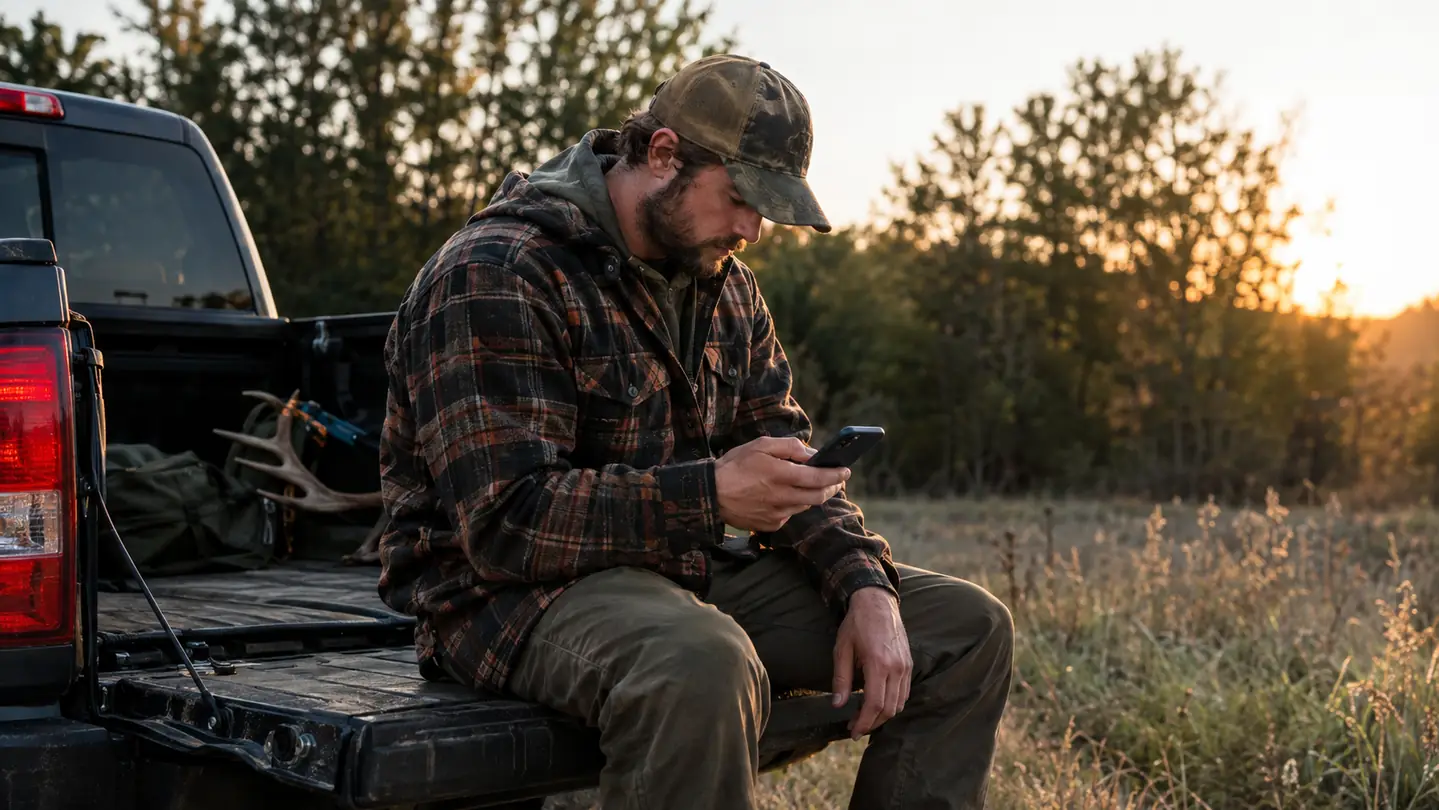
Who Should Buy Which
Buy the WOSODA 2-pack if you hunt ground you can reach on foot or with a short truck ride, if you like looking at full-size photos on a laptop, and if you do not want another monthly bill. That is the hunter I am. I have been deer hunting for about 40 years, and I have tried plenty of scouting methods. I hung mine in late August, checked them every week or two through the season, and never once wished I could see a photo from my recliner. The 80 acres I hunt is 20 minutes from my house, so a card check is not a big production. I can be in and out in an hour, and I usually combine it with a walk along the food plot to look for fresh sign. Being retired helps. It is a simple setup, and simple is what I want. I have the time to check cards on a Tuesday morning if that is when the wind is right. I will admit I started out with a cheap single camera years ago, and it cost me more time than it saved. The batteries died in three weeks, the night photos were almost useless, and the trigger missed more deer than it caught. The WOSODA pair is not a top-end unit, but it is honest gear that does what it says. A hunter who works a regular job would have a harder time with that, and for him the convenience of a cellular camera might be worth the monthly cost.
Buy a cellular camera if your cameras sit on ground that is a long drive from home, if you are hunting a new area and need to learn it fast, or if you simply want to know the moment a deer shows up. For everyone else, the WOSODA pair does the job for a fraction of the cost. My son hunts with me opening weekend, and he was the one who suggested I look at the WOSODA pair in the first place. He runs a cellular camera on his own place an hour away, and he understands why I do not want one. We have had the same conversation over the tailgate a dozen times: he likes getting photos on his phone, I like not paying for a data plan. Neither one of us is wrong, but I know which side of that trade I land on. I would give the WOSODA pair 4 stars out of 5, and 8.4 out of 10 if you want a number. It is not perfect, but for the price and the battery life, it is the camera I would buy again.
Start with the WOSODA 2-pack and skip the data plan
Two cameras, a full season on one set of lithium AAs, and no monthly fee. If you can check SD cards, this is the honest way to scout.
Amazon Check Today's Price on Amazon →